
Does a New Kitchen Add Value to Your House?
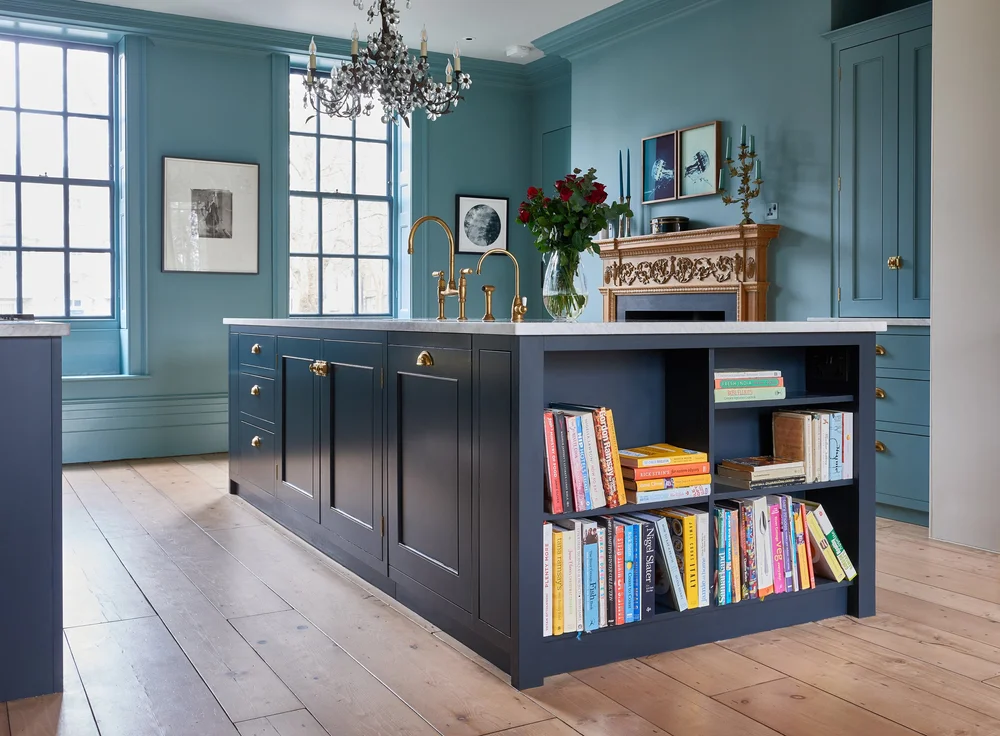
Yes, though less than most people expect and rarely more than it cost. A new kitchen usually adds around five to ten per cent to a property value. The larger effect is removing the discount a buyer applies to a tired one.
A new kitchen commonly adds around five to ten per cent to a property value, which on an average UK home is roughly £10,000 to £25,000. Most owners recoup between fifty and eighty per cent of what they spend. The strongest returns come from replacing a genuinely dated kitchen rather than upgrading a decent one. Beyond about five to eight per cent of the property value the return falls away sharply, so a very expensive kitchen in a modest house rarely pays for itself.
What the figures actually say
Estate agents and cost guides broadly agree on the shape of the answer even when the exact percentages vary. A new kitchen lifts a property value by something in the region of five to ten per cent. On a typical UK home that translates to roughly ten to twenty five thousand pounds of added value.
Recouped spend is the more useful number. Most owners get back somewhere between fifty and eighty per cent of what the kitchen cost. That sounds like a loss until you remember the years of use in between. A kitchen is not an investment product. It is a room you live in that happens to hold some of its cost.
The pattern is clear. The money is made at the bottom of the range rather than the top. Taking a 1990s kitchen with failing units and swollen worktops up to a clean, well planned modern room is where the return sits. Replacing a perfectly serviceable eight year old kitchen with a better one is a lifestyle decision rather than a financial one.
The discount, not the premium
This is the part most articles miss. A kitchen does two different jobs at sale. Only one of them behaves like added value.
Removing the discount
Buyers who walk into a dated kitchen mentally deduct the cost of replacing it plus something for the disruption. That deduction is usually larger than the actual refit cost, because nobody wants to live through the work. A decent kitchen removes it entirely.
Adding a premium
Going beyond decent to exceptional adds far less. Once a buyer stops deducting, extra spend competes with everything else they might want. A sixty thousand pound kitchen rarely commands sixty thousand pounds more than a twenty thousand pound one in the same house.
So the financially rational position is to get the kitchen comfortably over the line where buyers stop discounting, then stop. Everything past that point is spending for your own enjoyment, which is a perfectly good reason to spend. It is just not an investment case. The same logic applied to bespoke specifically is set out in Is a Bespoke Kitchen Worth It.
How much to spend by property value
The single most reliable rule is to keep the kitchen spend proportional to the house. A kitchen that costs a quarter of the property value will not return anything like its cost.
| Property value | Sensible kitchen spend | Typical value added | Comment |
|---|---|---|---|
| £300,000 | £14,000 to £22,000 | £15,000 to £28,000 | Strong return if the old kitchen was dated |
| £500,000 | £22,000 to £35,000 | £20,000 to £40,000 | Roughly breaks even at the top of the range |
| £800,000 | £35,000 to £60,000 | £30,000 to £55,000 | Usually below spend on pure resale terms |
| £1,200,000 plus | £60,000 to £120,000 | Hard to isolate | Buyers expect the specification rather than pay extra |
As a guide, do not spend more than five to eight per cent of the property value on a kitchen purely for resale reasons. Above that the return falls away quickly. Spend more than that only because you want the room, not because you expect the market to pay you back.
North London complicates this, because the housing stock is expensive and buyers in the higher brackets treat a good kitchen as a baseline rather than a feature. In a nine hundred thousand pound Victorian terrace a poor kitchen is a real problem at sale, while an outstanding one is expected rather than rewarded. Full budget ranges across every supply route are in How Much Does a New Kitchen Cost.
A kitchen that holds its value for the years you live there
We design and build for North London homes where the room has to work every day and still present well in fifteen years. Send us the property and the budget and we will tell you what is proportionate.
What buyers actually notice
Value at sale is decided in about ninety seconds by someone who is not measuring anything. The things that move a buyer are not always the things that cost the most.
| What buyers notice | Effect on impression | Relative cost | Verdict |
|---|---|---|---|
| Overall condition and cleanliness | Very high | Low | The cheapest value you will ever add |
| Layout that makes sense | Very high | Design time rather than money | Worth every hour spent on the plan |
| Natural light and sightlines | High | Varies | Often a building decision rather than a kitchen one |
| Worktop material and condition | High | Moderate to high | The most visible surface in the room |
| Amount of usable storage | High | Moderate | Drawers read better than cupboards |
| Integrated appliances | Moderate | Moderate | Expected in most brackets, rarely a premium |
| Door construction and finish | Moderate | High | Matters to you daily, less to a viewer |
| Brand of the cabinetry | Low | High | Almost never mentioned by buyers |
The top three cost comparatively little and outrank everything below them. That is why a modest kitchen planned properly can present better than an expensive one planned badly.
Does an extension add more than a kitchen?
Usually yes, if the house has the space and the planning position allows it. Adding floor area changes what the property is rather than how it looks. Open plan kitchen dining space is commonly credited with adding a further two to four per cent on top of the kitchen uplift where it is structurally feasible.
The caution is that extensions carry planning risk, party wall costs, professional fees and a much longer disruption period. They also hit a ceiling. Every street has a price above which buyers move to a different area. No amount of extending lifts a house past it.
If you are weighing a refit against a side return or rear extension, Kitchen Extension Costs sets out what the building work actually costs before the kitchen goes in.
How to get the best return
- Fix the layout before the finishes. A well planned kitchen in mid range units beats a badly planned one in expensive units, at sale and every day before it.
- Match the specification to the street. Look at what recently sold nearby actually has. That is the standard buyers will judge you against.
- Put money into the visible surfaces. Worktop, splashback and lighting carry disproportionate weight in a viewing.
- Choose finishes that will not date badly. Strong colours and unusual handles are cheap to change and expensive to regret.
- Keep the room bright. Layered lighting transforms photographs, which is where most viewings now begin.
- Do not over integrate. Buyers rarely pay extra for appliances they did not choose.
Two of those six are lighting and layout rather than cabinetry. Kitchen Lighting Guide and How to Plan a Bespoke Kitchen deal with both. Choosing a Kitchen Worktop covers the surface that viewers look at first.
Plan the spend before you plan the kitchen
Budgets, worktops, layouts, lighting and timescales, written to help you decide where the money is best placed. Everything sits in our Bespoke Kitchen Guides library.
Frequently asked questions
How much does a new kitchen add to house value?
A new kitchen commonly adds around five to ten per cent to a property value, which is roughly £10,000 to £25,000 on an average UK home. The uplift is largest where the previous kitchen was genuinely dated. Replacing a kitchen that was already serviceable adds much less.
How much of the cost do you get back?
Most owners recoup between fifty and eighty per cent of what they spend. Replacing a genuinely dated kitchen can return more than the outlay, while a like for like replacement typically returns fifty to eighty pence in the pound and an over specified kitchen returns well under half.
Does a new kitchen add value to your home if you are not selling?
Not in a way you can bank, though it changes the number a future buyer would deduct. The stronger argument for staying owners is daily use rather than resale. A kitchen used three times a day for twenty years is bought for the twenty years, not for the sale day.
How much should I spend on a kitchen for resale?
As a guide, no more than five to eight per cent of the property value if resale is the main motive. On a £500,000 house that is roughly £25,000 to £40,000. Above that ceiling the return falls away quickly, so any extra spend should be for your own benefit.
Does renovating a kitchen add more value than an extension?
Usually less. An extension adds floor area, which changes what the property is rather than how it presents. Open plan kitchen dining space is commonly credited with a further two to four per cent on top of the kitchen uplift. Extensions carry planning risk, higher fees and much longer disruption.
Will a new kitchen help a house sell faster?
Generally yes, which is often worth more than the headline valuation. A dated kitchen is one of the most common reasons buyers hesitate or negotiate hard. Removing that objection tends to shorten the marketing period and reduce the discount asked for at offer stage.
Where to go next
The honest summary is that a kitchen protects value more reliably than it creates it. Spend proportionally, plan carefully, then choose the specification for the years you will use it. Our Bespoke Kitchens North London page shows the kind of work that still presents well a decade later.
More from this guide series
- How Much Does a New Kitchen Cost for budgets across every route
- Is a Bespoke Kitchen Worth It for cost per year rather than resale
- Kitchen Extension Costs for the building work option
- How to Plan a Bespoke Kitchen for getting the layout right
- Choosing a Kitchen Worktop for the most visible surface in the room
- Bespoke Kitchen Guides for every guide in the series
Tell us the property, the street and what you are trying to achieve. We will tell you what is proportionate before we talk about cabinetry.